Introduction
In today’s technology-driven landscape, understanding your worth in the job market is not just about knowing a number; it is about strategic career planning. As organizations increasingly rely on agile workflows to maintain a competitive edge, the demand for professionals who can bridge the gap between development and operations has skyrocketed. Whether you are navigating a career switch or looking to optimize your current path, knowing the current DevOps salary benchmarks is essential.
The DevOps, Cloud, SRE, and Platform Engineering sectors have matured into high-growth career tracks. As infrastructures become more complex, the value placed on engineers who can automate, secure, and scale these systems has never been higher. Salary ranges for these roles are dynamic, shifting significantly based on the engineer’s technical proficiency, geographic location, and ability to solve mission-critical problems.
In this guide, we provide a clear, actionable roadmap to understanding DevOps compensation. You will learn how experience levels, specific cloud technologies, and regional differences impact your earnings, along with a structured plan to maximize your income through targeted skill development and negotiation.
What Does “DevOps Salary” Mean?
When discussing DevOps compensation, it is vital to distinguish between a base salary and “total compensation.” A salary package is rarely just a monthly check; it is a holistic financial structure that reflects the value you bring to an organization. For DevOps professionals—especially those working with high-scale infrastructure—packages are often structured to include performance-based incentives and long-term wealth-building vehicles.
A robust compensation package typically includes:
- Base Salary: The fixed annual or monthly pay, usually determined by your experience, location, and the hiring company’s budget.
- Annual Bonuses: Performance-linked payouts that can range from 5% to 20% of your base salary.
- Equity/Stock Options (RSUs): Common in tech startups and large corporations, these offer a stake in the company’s future value.
- Certification/Training Allowance: Many firms provide stipends for cloud certifications (AWS, Azure, GCP) and professional development.
- Sign-on Bonuses: One-time payments often used to attract top-tier talent during competitive hiring cycles.
- Remote Work Perks: Stipends for home office setups or internet connectivity, which contribute to your effective take-home pay.
DevOps Salary Overview
Globally, the DevOps pay scale reflects the high degree of responsibility inherent in the role. Because these professionals are the “gatekeepers” of software deployment and system uptime, companies are willing to pay a premium for those who can ensure reliability and efficiency. While the average salary varies, the trend is consistently upward, particularly for engineers who master advanced concepts like Kubernetes orchestration and security automation.
Key Highlights:
- Niche Premium: Roles involving high-stakes SRE (Site Reliability Engineering) or DevSecOps often command 10–20% higher base pay than standard DevOps roles.
- Experience Multiplier: Jumping from a junior to a senior role frequently yields a salary increase of 40% or more, provided the skill set transitions from “tool-user” to “architect.”
- Cloud Parity: Proficiency in one or more major public clouds (AWS, GCP, Azure) is now considered a baseline requirement, not an optional bonus, for mid-to-senior levels.
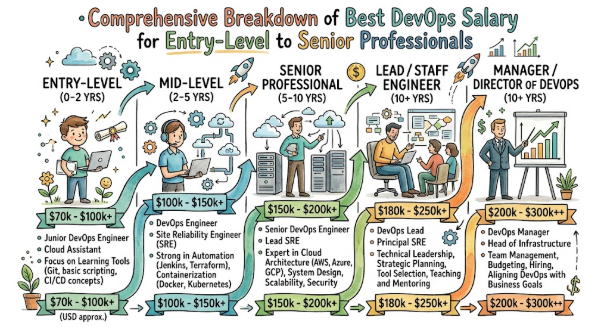
Table 1 – DevOps Salary by Experience Level
| Experience Level | Average Base Salary (Estimated) | Range | Typical Responsibilities |
| Junior / Entry-Level | $75,000 – $95,000 | $60k – $110k | CI/CD pipelines, Git management, basic scripting, monitoring. |
| Mid-Level Engineer | $110,000 – $140,000 | $95k – $160k | Infrastructure as Code (IaC), containerization, cloud management. |
| Senior DevOps | $150,000 – $185,000 | $130k – $210k | System architecture, multi-cloud strategy, cost optimization. |
| Lead / Principal | $190,000 – $240,000+ | $170k – $275k+ | Team leadership, organizational strategy, high-level design. |
| SRE / Platform Lead | $180,000 – $250,000+ | $160k – $280k+ | Incident response, scalability, reliability engineering, DevSecOps. |
Factors That Influence DevOps Salary
Compensation is not arbitrary; it is the result of market demand, supply, and the specific impact you have on a business’s bottom line. Understanding these drivers allows you to better position yourself for higher earnings.
- Geographic Region: Market maturity, local tech demand, and cost of living dictate local salary bands.
- Company Size and Industry: Large tech enterprises and FinTech firms generally offer higher compensation packages compared to early-stage startups or non-tech-focused small businesses.
- Cloud Proficiency: Architects with multi-cloud expertise (e.g., managing hybrid environments across AWS and Azure) are consistently in the highest pay bracket.
- Container Orchestration: Mastering Kubernetes is one of the most effective ways to command a higher salary, as it is a complex, high-demand skill.
- Infrastructure Automation: Being able to write and maintain complex Terraform or Ansible code separates operational workers from strategic engineers.
- Security Integration (DevSecOps): Integrating security into the CI/CD lifecycle is a critical skill that directly impacts a company’s risk profile and justifies higher pay.
- Observability: Professionals who can implement advanced monitoring (Prometheus, Grafana, Datadog) to reduce downtime earn significantly more.
Regional Salary Comparisons
| Region | Avg. Salary (USD Equivalent) | Cost of Living Adjustment | Key Demand Skills |
| USA | $135,000 | High | Kubernetes, Cloud Architecture, DevSecOps |
| Canada | $105,000 | Medium | CI/CD, Terraform, Cloud Migration |
| UK & Europe | $85,000 – $110,000 | Medium-High | Docker, IaC, Compliance/Security |
| India | $25,000 – $55,000 | Low | AWS, Scripting, Jenkins, Kubernetes |
| Australia | $115,000 | High | Cloud Automation, Reliability, Python |
| Middle East | $90,000 – $130,000 | Low-Medium | Hybrid Cloud, Scalability, Networking |
Step-by-Step Guide to Increase Your DevOps Salary
Increasing your income is a process of deliberate growth. Follow these steps to elevate your career and your bank account:
- Master the Fundamentals: Solidify your grasp of Linux, networking, and Git. You cannot build complex systems on a shaky foundation.
- Choose Your Cloud Platform: Pick one major provider (AWS, Azure, or GCP) and get certified. Deep knowledge here is better than superficial knowledge of all three.
- Specialize in Automation: Become an expert in Terraform or Ansible. If you can automate an environment from scratch, you have become a high-value asset.
- Prioritize Observability: Learn to monitor systems effectively. Knowing why a system broke is good; knowing how to prevent it from breaking again is worth a promotion.
- Build a Portfolio: Don’t just list tools on your resume. Build a real-world, end-to-end deployment pipeline on GitHub and link it to your profile.
- Seek Mentorship: Find a senior engineer to review your architecture designs. Their feedback will accelerate your learning curve.
- System Design Focus: Practice solving complex architectural problems, not just writing scripts. High pay comes to those who design for scale.
- Negotiate with Data: When it’s time for a salary review, use regional salary data and your documented impact (e.g., “Reduced deployment time by 40%”) as your evidence.
Skills That Maximize DevOps Salary
To reach the top 10% of earners, you need to transition from “DevOps Engineer” to “Platform Architect” or “SRE.” Focus on these high-leverage skills:
- Cloud Certifications: AWS Certified Solutions Architect or Google Professional Cloud DevOps Engineer are highly valued.
- Kubernetes/Docker: High-level mastery of orchestration is a primary indicator of senior-level capability.
- Terraform/IaC: Automating complex infrastructure at scale reduces company costs and improves stability.
- DevSecOps: Integrating security scanning (SAST/DAST) into CI/CD pipelines makes you a guardian of company reputation.
- SRE Principles: Embracing Error Budgets, SLIs, and SLOs transforms you from a “worker” to a “reliability expert.”
- Advanced Scripting (Python/Go): Moving beyond basic Bash scripting to building internal tools demonstrates leadership potential.
- Soft Skills: Your ability to communicate technical trade-offs to non-technical stakeholders is what gets you into management or lead roles.
Real-World Salary Growth Scenarios
Scenario 1: The Fast-Track Starter
- Start: Fresher starts at $70k with basic Linux and Jenkins skills.
- Growth: In 2 years, they add AWS certifications and Terraform. They move to a new company and negotiate a raise to $110k.
Scenario 2: The Mid-Level Pivot
- Start: Mid-level engineer at $120k doing basic cloud work.
- Growth: They spend 18 months mastering Kubernetes and security automation. They transition to a Senior SRE role at a high-growth tech firm, landing a base salary of $165k plus equity.
Scenario 3: The Multi-Cloud Lead
- Start: Senior engineer at $150k.
- Growth: They gain proficiency in multi-cloud cost optimization and organizational leadership. They become a Principal Engineer, earning $220k+.
Common Mistakes to Avoid
- The “Certificate Collector” Trap: Earning five certifications but having no GitHub portfolio of projects. Companies hire engineers who build, not those who test well.
- Ignoring Soft Skills: Being a technical wizard is fine, but if you cannot explain your work, you will hit a ceiling in your salary progression.
- Stagnating on One Tool: Relying only on a legacy tool when the industry is moving toward modern alternatives like Terraform or managed Kubernetes services.
- Not Preparing to Negotiate: Many engineers simply accept the first offer. Always do your market research and present your accomplishments clearly.
FAQs (Frequently Asked Questions)
- What is the average DevOps salary worldwide?
It fluctuates, but the median typically falls between $90,000 and $120,000 depending on the strength of the local tech market. - How much do entry-level DevOps engineers earn?
Typically $70,000–$95,000, though this varies heavily by city and company size. - Does DevOps salary vary by country?
Yes, significantly. Countries like the US and Australia have the highest nominal salaries due to demand and living costs. - Which skills increase DevOps pay the most?
Kubernetes, Cloud Architecture (AWS/Azure/GCP), and DevSecOps are currently the top drivers of salary bumps. - Do certifications improve salary?
They do not guarantee raises, but they act as “interview multipliers” by getting your resume noticed for higher-tier roles. - What is the difference in salary between DevOps and SRE?
SRE roles often command a 5–15% premium because they focus heavily on high-availability, which is business-critical. - Is cloud expertise necessary to earn more?
Absolutely. Cloud is the backbone of modern infrastructure; without it, you are limited to legacy roles. - Can I earn more as a DevOps engineer without a degree?
Yes. DevOps is a skills-first field. A strong portfolio and proven track record often outweigh formal education. - What is the salary trend for DevOps in 2026?
Salaries remain competitive, with a growing focus on AI-driven observability and enhanced security automation skills. - Do DevSecOps skills increase pay?
Yes, because companies are desperate to mitigate the high costs associated with security breaches.
Conclusion
DevOps is more than just a job title; it is a vital function that allows modern software businesses to thrive. Your salary in this field is a direct reflection of your ability to manage complexity, ensure reliability, and accelerate delivery. By focusing on deep technical mastery—specifically in Cloud, Kubernetes, and Security—and actively managing your career path, you can ensure your compensation remains at the top of the industry standard. Remember, continuous learning is your greatest asset in this fast-moving market.
One thing I noticed is tools and specialization affect salary. Skills in Kubernetes, cloud, or security can increase earning potential.