Introduction
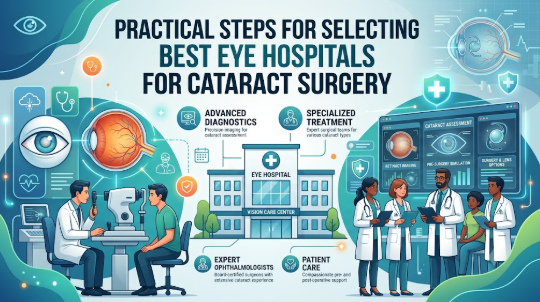
Finding the best eye hospital is the single most critical step toward preserving your vision and ensuring successful treatment outcomes. When dealing with complex ocular conditions, patients need a structured framework to evaluate medical institutions, surgical teams, technological assets, and global treatment costs. This guide provides an exhaustive blueprint to help you analyze, compare, and select the optimal eye care facility for your clinical needs, while demonstrating how specialized research platforms streamline this crucial decision-making process.
Why Choosing the Best Eye Hospital Matters
The selection of a premier ophthalmic institution directly impacts your long-term visual prognosis, the safety margin of your surgical procedure, and your overall recovery experience. Unlike general medical centers, highly specialized eye surgery centers are engineered exclusively around the complexities of ocular health, featuring micro-surgical environments that dramatically minimize cross-infection risks. Choosing an elite institution ensures that you are backed by integrated emergency protocols, precise pre-operative diagnostic imaging, and an infrastructure capable of managing rare intraoperative complications, thereby transforming a stressful medical intervention into a predictable, highly successful clinical journey.
What Makes a Hospital One of the Best Eye Hospitals?
Evaluating an eye care facility requires looking beyond standard marketing claims and analyzing verifiable structural benchmarks. The top global institutions share specific operational traits that guarantee clinical excellence.
Clinical Accreditations and Quality Standards
Elite hospitals hold prestigious domestic and international accreditations, such as Joint Commission International (JCI) or the National Accreditation Board for Hospitals & Healthcare Providers (NABH). These certifications verify that the center complies with stringent protocols regarding patient safety, surgical sterilization, and clinical outcome monitoring.
Dedicated Ophthalmic Subspecialties
The human eye demands highly specialized care. The finest institutions feature independent, fully staffed departments for specific ocular regions and conditions, ensuring that your care is managed by targeted experts rather than general practitioners:
- Cornea and External Diseases: Managing corneal transplants, keratoconus, and complex surface infections.
- Vitreoretinal Services: Specializing in diabetic retinopathy, retinal detachments, and macular degeneration.
- Glaucoma Department: Focused on advanced intraocular pressure management, visual field analysis, and laser therapies.
- Refractive and Cataract Suites: Dedicated to vision correction surgery, premium lens implantations, and advanced laser tracking.
- Pediatric Ophthalmology and Strabismus: Treating alignment issues and early-childhood developmental vision conditions.
Diagnostic Infrastructure and Surgical Technology
Accurate surgical execution is impossible without precise pre-operative mappings. Leading centers invest millions in state-of-the-art diagnostic and surgical equipment, including:
- Optical Coherence Tomography (OCT Scan): Providing high-resolution cross-sectional images of the retina and optic nerve layers.
- Corneal Topography: Creating detailed three-dimensional maps of the surface curvature of the cornea for refractive planning.
- Femtosecond Laser Systems: Enabling blade-free incisions for highly accurate cataract and vision correction procedures.
- Micro-Vitrectomy Systems: Allowing for minimally invasive, sutureless posterior segment surgeries.
Structured Hospital Evaluation Checklist
Before scheduling a consultation, cross-reference your chosen facility against this definitive operational checklist to confirm their capability:
- Does the hospital possess active JCI or NABH accreditation?
- Are there dedicated, isolated cleanrooms specifically for ophthalmic micro-surgery?
- Does the center feature a 24/7 dedicated ophthalmic emergency department?
- Are the diagnostic tools (OCT, Topography) upgraded to the latest technological generations?
- Is there a transparent, upfront billing protocol outlining all potential surgical variables?
- Does the facility maintain a specialized, comprehensive department for international patient coordination?
- Are the post-operative recovery metrics and infection rates published or readily auditable?
How BestEyeHospitals.com Helps Patients Compare Hospitals
Navigating the fragmented landscape of global healthcare can easily overwhelm patients and their families. BestEyeHospitals.com addresses this challenge by functioning as an independent, centralized intelligence hub designed exclusively to facilitate objective comparisons between specialized healthcare institutions. By aggregating verifiable, structured data from world-class medical centers, the platform empowers patients to move past ambiguous marketing rhetoric and make healthcare choices grounded in hard evidence.
Through the comprehensive resources available at [suspicious link removed], users gain immediate access to side-by-side evaluations across multiple vital performance vectors:
- Compare Eye Hospitals: Filter and review global medical institutions based on their formal accreditations, clinical capacity, annual surgical volumes, and overall patient safety ratings.
- Compare Ophthalmologists: Review verified medical profiles detailing surgeon credentials, subspecialty fellowships, total career procedures, and specific research contributions.
- Compare Treatments: Explore objective operational breakdowns of various intervention pathways, distinguishing between basic clinical management and advanced surgical therapies.
- Compare Technologies: Analyze the specific technological generations utilized at different centers, ensuring your procedure leverages modern, premium infrastructure.
- Compare Surgery Options: Evaluate structural differences between varying procedural approaches, such as comparing manual incisions against automated, blade-free laser techniques.
- Compare Destinations: Assess the geographical benefits, local travel logistics, regulatory frameworks, and regional advantages of prominent global medical hubs.
- Compare Treatment Costs: Review clear breakdowns of typical pricing structures, helping you identify hidden procedural variables and maintain budget transparency.
- Compare Hospital Facilities: Evaluate on-site support systems, including dedicated day-care wings, custom pharmacy access, and integrated diagnostic scanning centers.
- Research Hospitals Before Treatment: Access deep-dive historical records, institutional accolades, and patient feedback trends prior to initiating formal communication.
- Explore Medical Tourism Information: Utilize practical logistical guides outlining entry visa requirements, local language support, airport pickup structures, and specialized cross-border recovery services.
Best Eye Hospitals Around the World
Different countries have carved out distinct competitive advantages within the global ophthalmic ecosystem. Understanding these regional strengths allows patients to align their specific clinical diagnoses with the right geographical destination.
India: High-Volume Surgical Expertise and Value
India stands out globally for hosting some of the highest-volume eye surgery centers in existence. Ophthalmic surgeons here routinely perform thousands of complex micro-surgeries annually, resulting in peerless clinical dexterity. The infrastructure is characterized by large-scale, standalone eye institutes that combine premium global diagnostic technology with highly cost-effective operational frameworks.
USA: Pioneering Clinical Research and Innovation
The United States serves as the primary incubator for breakthrough ophthalmic innovations, new pharmaceutical molecules, and novel surgical devices. Its university-affiliated research hospitals excel at treating highly complex, rare, or treatment-resistant ocular diseases, offering patients access to cutting-edge clinical trials that are unavailable anywhere else globally.
Germany: Uncompromising Engineering and Precision
Germany is renowned for its stringent quality control protocols, highly advanced sterilization methods, and integration of superior optical engineering. German eye clinics are frequently early adopters of advanced German-engineered laser systems, providing exceptionally predictable outcomes for complex corneal and refractive corrections.
Singapore: Advanced Infrastructure and Premium Care
Singapore offers a highly regulated, immaculate medical environment that attracts patients seeking premium healthcare delivery. The nation’s top centers provide deeply personalized, concierge-style international patient care backed by leading-edge clinical practices and rapid access to regional subspecialists.
Japan and South Korea: Advanced Diagnostics and Micro-Surgery
These East Asian hubs leverage their highly developed technology sectors to offer highly precise, digitally integrated diagnostic screenings. South Korea excels at integrating cosmetic oculoplastic procedures with functional vision restoration, while Japan leads in advanced retinal imaging developments and cellular therapies.
Turkey: The Bridging Hub for Refractive and Laser Care
Positioned strategically between Europe and Asia, Turkey has built a massive infrastructure dedicated to rapid, high-quality refractive and laser vision correction procedures. The country offers highly streamlined, all-inclusive corporate packages tailored specifically for international patients seeking efficient day-care treatments.
Best Eye Hospitals in India
India’s specialized eye care infrastructure is widely regarded as an international benchmark. When evaluating the best eye hospitals in India, patients should focus on several critical operational pillars rather than simple geographic convenience.
Infrastructure and Day-Care Efficiency
Modern ophthalmic care relies heavily on efficient day-care workflows. The top Indian institutes are built to manage thousands of outpatients daily while maintaining strictly isolated, sterile surgical corridors. Look for centers featuring multi-floor configurations where diagnostics, pre-operative optimization, and recovery are segmented to prevent cross-contamination.
Comprehensive Subspecialty Triage
The finest Indian hospitals operate using a strict triage system led by dedicated subspecialists. A patient presenting with complex diabetic retinopathy is immediately directed to a dedicated vitreoretinal wing, ensuring their care is managed by surgeons who perform posterior segment procedures exclusively, rather than general ophthalmologists.
Advanced International Patient Care Ecosystems
Because India is a prominent medical tourism hub, premier hospitals maintain extensive internal departments focused entirely on cross-border logistics. These specialized divisions handle everything from legal medical visa invitations and multilingual interpretation services to coordinated video follow-ups after the patient returns home.
Best Eye Doctors in India
The success of any surgical intervention ultimately depends on the skill, training, and experience of the operating surgeon. When exploring choices among the best eye doctors in India, patients must look past basic medical degrees and carefully evaluate specific professional milestones.
Crucial Professional Credentials to Verify
- Advanced Fellowships: Ensure the surgeon has completed post-graduate fellowships at recognized global institutes in their specific area of concern (e.g., Cornea, Retina, or Glaucoma).
- Surgical Volume Track Record: Inquire about the surgeon’s historical volume for your specific procedure. High-volume surgeons generally exhibit lower complication rates due to refined muscle memory and extensive experience handling intraoperative anatomical variations.
- Contributions to Peer-Reviewed Literature: Active participation in international clinical trials or publications in journals like Ophthalmology or The American Journal of Ophthalmology indicates a surgeon who remains at the forefront of modern medical practices.
The Value of Communication and Second Opinions
An elite surgeon prioritizes comprehensive patient education, taking the time to explain the surgical benefits, alternative treatments, and potential risks without rushing. Seeking a second opinion within India’s top tier of specialists is a normal, professional practice that helps confirm your diagnosis and provides peace of mind regarding the recommended surgical path.
Questions to Ask Your Eye Surgeon
- Are you fellowship-trained in this specific subspecialty, and for how many years?
- How many procedures of this exact technical nature have you performed over the past calendar year?
- What is the specific incidence rate of major complications within your personal surgical practice?
- If an unexpected intraoperative complication occurs, what backup technology or support systems are available on-site?
- What specific clinical benchmarks will determine the success of this procedure during my recovery?
- What is the structural protocol for emergency follow-up care if I experience sudden pain or vision changes after discharge?
Best Hospitals for Different Eye Treatments
Different ocular conditions require specialized configurations of technology and clinical teams. Patients must ensure that their chosen hospital excels in the exact procedure they require.
Cataract Surgery Excellence
Top-tier centers for cataract extraction prioritize advanced micro-incision cataract surgery (MICS) and automated femtosecond laser-assisted cataract surgery (FLACS). These facilities maintain sophisticated biometry infrastructure, such as the IOLMaster, to precisely calculate custom intraocular lens configurations, including premium toric, multifocal, and extended depth of focus (EDOF) options.
Advanced Refractive Suites (LASIK and SMILE)
Hospitals specializing in vision correction surgery should feature dedicated, climate-controlled laser suites to optimize laser stability. Look for institutions offering a complete spectrum of options, including traditional LASIK, wavefront-guided customized treatments, blade-free Femto-LASIK, and advanced Small Incision Lenticule Extraction (SMILE). This range ensures the medical team can recommend the optimal approach for your specific corneal thickness and refractive error.
Vitreoretinal and Complex Posterior Segment Surgery
Treating conditions such as retinal detachments, advanced diabetic retinopathy, and macular holes requires heavy investment in specialized equipment. The top hospitals feature advanced, ultra-high-speed vitrectomy systems, intraoperative OCT visualization, and specialized green or yellow laser systems designed to treat delicate retinal tissue without damaging adjacent structures.
Specialized Management: Glaucoma, Cornea, and Strabismus
- Glaucoma: Look for hospitals equipped with advanced automated perimeters, selective laser trabeculoplasty (SLT) setups, and surgeons trained in micro-invasive glaucoma surgery (MIGS) devices.
- Cornea: Elite centers maintain dedicated links to certified eye banks and offer advanced lamellar corneal transplantation procedures like DSEK and DMEK, which replace only the damaged layers of the cornea to speed up visual recovery.
- Squint/Strabismus: Ensure the facility includes specialized pediatric and adult strabismus clinics equipped with advanced binocular vision assessment tools and specialized adjustable suture surgical instrumentation.
Cataract Surgery Cost in India
Understanding the financial layout of cataract treatment in India requires looking at the comprehensive care package rather than just the baseline surgical fee. Total expenses are shaped by several interrelated components.
Breakdown of Primary Budget Variables
- Pre-Operative Diagnostics: Comprehensive assessments including detailed digital biometry, corneal topography, endothelial cell counts, and specialized OCT macular scans to ensure the eye is healthy enough for surgery.
- Intraocular Lens (IOL) Selection: The choice of lens technology is the primary driver of cost differences. Standard monofocal lenses are highly affordable but require reading glasses, whereas premium multifocal, trifocal, or EDOF lenses carry a higher cost due to their complex optical designs.
- Surgical Technology Choices: Opting for traditional manual phacoemulsification keeps costs down, while selecting advanced, computer-guided femtosecond laser-assisted cataract surgery (FLACS) involves an additional technology fee.
- Facility Grading: Choosing between a standard shared recovery lounge, a private day-care room, or a premium corporate suite affects overall hospital charges.
Navigating Post-Operative and Recovery Costs
Patients should also factor in the cost of protective post-surgical eyewear, specialized antibiotic and anti-inflammatory eye drops, and mandatory follow-up examinations during the critical first month of healing. Ensuring your initial hospital quote explicitly details what is included helps prevent unexpected expenses during discharge.
LASIK Surgery Cost in India
The cost of laser vision correction varies significantly based on the specific technological generation selected for the procedure.
Technology Packages and Market Tiers
- Standard Custom/Wavefront LASIK: Uses a microkeratome blade to create the corneal flap combined with an excimer laser to reshape the tissue. This remains a highly reliable, budget-friendly entry point.
- Femto-LASIK (All-Laser LASIK): Replaces the mechanical blade with an ultra-fast femtosecond laser to create a precise corneal flap, increasing safety margins for thin corneas. This configuration represents a mid-to-high cost tier.
- SMILE Laser Surgery: The latest generation of vision correction, performing the entire procedure through a tiny, keyhole incision without creating a flap at all. This advanced technology package commands a premium price due to the specialized laser systems required.
Evaluating Long-Term Value Against Initial Costs
When calculating the cost of refractive surgery, patients should weigh the upfront investment against the long-term savings of eliminating ongoing expenses for prescription glasses, designer frames, contact lenses, and specialized cleaning solutions. Platforms like BestEyeHospitals.com help you easily compare these technology packages across different regions to find the best balance of value and safety.
Medical Tourism for Eye Surgery in India
India has developed into a premier global hub for international patients seeking world-class eye care without the long wait times or high costs found in their home countries.
The Structured Medical Tourism Roadmap
- Phase 1: Research & Discovery
- Patient reviews verified data on BestEyeHospitals.com
- Selects target hospitals based on subspecialty needs
- Phase 2: Remote Consultation
- Secure transmission of latest digital OCT/Topography scans
- Video consultation with the operating Indian surgeon
- Receipt of an all-inclusive, transparent cost quote
- Phase 3: Travel & Legal Logistics
- Issuance of an official government Medical Visa invitation letter
- Booking flights timed around planned surgery dates
- Ground transport and local accommodation coordination
- Phase 4: Clinical Phase
- Final on-site diagnostic validation checks
- Day-care surgical procedure and immediate recovery tracking
- Scheduled post-operative follow-up evaluations
- Phase 5: Recovery & Return
- Local rest period until the surgeon provides travel clearance
- Return flight home with detailed recovery instructions
- Coordinated remote digital follow-ups via BestEyeHospitals.com
Essential In-Country Support Services
To ensure a smooth experience, leading Indian eye centers provide comprehensive international patient care programs. These dedicated services include airport pickup and transfer logistics, direct assistance with local mobile connectivity, partnerships with nearby hotels suitable for post-operative recovery, and on-site language interpreters to ensure seamless communication with the medical team.
Eye Hospital Comparison Guide
To help you organize your research, use the two comparative matrix tables below to evaluate potential institutions and treatments based on standardized operational criteria.
Table 1: Institutional Infrastructure Evaluation Matrix
| Comparison Benchmark | Basic Eye Clinic | Standard Multi-Specialty Hospital | Elite Specialized Eye Institute |
| Primary Accreditations | Local municipal registration only | Regional domestic certificates | Full JCI and premium NABH accreditations |
| Surgical Environment | Standard clean operating room | Shared general surgery theater | Dedicated, isolated ophthalmic cleanrooms |
| Emergency Protocols | On-call referral setup | General emergency room triage | 24/7 dedicated ophthalmic emergency unit |
| Diagnostic Capabilities | Basic refraction and slit-lamp | Standard ultrasound and basic imaging | Advanced digital OCT, topography, and biometry |
| International Support | None available | General administrative assistance | Dedicated international patient department |
| Teleconsultation Setup | Basic phone or text routing | General hospital booking portal | Integrated digital telehealth platform |
Table 2: Comparative Overview of Common Vision Correction Procedures
| Treatment Category | Optimal Clinical Candidate | Technological Requirement | Typical Recovery Profile | Long-Term Vision Correction Value |
| Premium Cataract Surgery | Patients with significant lens opacity seeking reduced dependence on glasses. | High-resolution digital biometry, premium IOL arrays, and optional FLACS systems. | Rapid functional improvement within 48 hours; full stabilization over 4 weeks. | Permanent resolution of cataracts; stable long-term visual acuity. |
| Femto-LASIK Vision Correction | Individuals with stable refractive errors and sufficient corneal thickness. | Combined advanced femtosecond and excimer laser tracking stations. | Rapid vision restoration within 24 hours; mild dryness for a few weeks. | Highly predictable, long-term elimination of prescription eyewear. |
| SMILE Laser Surgery | Active individuals or those with mild dry eye tendencies seeking a flapless procedure. | Highly specialized, integrated femtosecond lenticule extraction laser systems. | Fast functional recovery; exceptional preservation of corneal biomechanics. | Permanent correction with excellent long-term structural stability. |
| Advanced Vitreo-Retinal Surgery | Patients experiencing retinal tears, detachments, or severe diabetic retinopathy. | Ultra-high-speed vitrectomy platforms with wide-field intraoperative viewing. | Gradual improvement over several weeks; may require specific head positioning. | Essential vision-saving intervention to prevent permanent blindness. |
Common Mistakes Patients Make
When researching eye care options, avoiding common decision-making pitfalls can significantly improve your treatment outcome.
- Choosing Solely Based on the Lowest Price: Selecting a facility based only on a low price can mean compromising on sterilization quality, the generation of the surgical equipment, or the experience level of the surgeon.
- Ignoring the Specific Subspecialty of the Surgeon: A highly accomplished cataract surgeon may not be the ideal choice to address a complex retinal tear. Always match your diagnosis to the surgeon’s exact fellowship training.
- Failing to Verify the Specific Technological Generations Available: Confirming that a hospital has a specific laser system matters little if that system is an older model lacking modern eye-tracking safety features.
- Overlooking the Logistical Realities of Post-Operative Care: Ophthalmic surgeries require careful, structured follow-up evaluations. Do not select a distant destination without a clear plan for your post-operative checkups.
- Rushing Forward Without a Certified Second Opinion: For major, vision-altering procedures, skipping a second opinion from an independent specialist can mean missing alternative, less invasive treatment paths.
Real Patient Scenarios
Scenario 1: Comprehensive Cataract Care for an Active Senior
An active retired professional noticed a significant decline in their night vision due to advanced nuclear cataracts. Seeking to minimize their dependence on glasses for outdoor activities, they used BestEyeHospitals.com to find a specialized institute featuring advanced digital biometry and femtosecond laser systems. By selecting a facility with a proven track record in premium trifocal lens implantations, they achieved sharp, clear vision across all distances.
Scenario 2: Selecting the Optimal Refractive Strategy for an Active Professional
A software engineer experiencing contact lens intolerance decided to explore permanent vision correction. Their primary concern was avoiding long-term dry eye symptoms that could interfere with extensive screen work. By using a platform to compare local refractive suites, they identified an elite laser center specializing in flapless SMILE surgery. This precise choice provided a fast recovery and preserved their corneal stability, allowing them to return to work with minimal disruption.
Scenario 3: Navigating Urgent Vitreoretinal Care Across Borders
An international patient noticed a sudden onset of dark floaters and flashes, indicating a possible retinal tear. Needing immediate treatment that was unavailable locally due to long waiting lists, they used an online portal to connect with an accredited, high-volume eye institute in India. Within 48 hours, the hospital’s international patient department coordinated their medical visa invitation, arranged airport pickup, and scheduled immediate surgery with a top vitreoretinal specialist, successfully preserving their sight.
Frequently Asked Questions
What makes an eye hospital one of the best?
Top eye hospitals are defined by their specialized accreditations (such as JCI or NABH), dedicated subspecialty departments, advanced diagnostic and surgical technology, and transparent clinical track records.
How do I compare eye hospitals effectively?
Evaluate centers side-by-side using key performance indicators: surgeon credentials, institutional accreditations, the specific generations of technology they use, infection control rates, and dedicated international patient support systems.
Is India a safe destination for complex eye surgery?
Yes. India is a premier global destination for ophthalmic care, hosting numerous highly accredited hospitals staffed by globally trained, high-volume surgeons who utilize modern diagnostic and surgical technologies.
How should I choose the right eye surgeon for my condition?
Look for a specialist who has completed advanced fellowship training in your specific condition, maintains a high annual volume for your required procedure, and regularly contributes to peer-reviewed clinical research.
Which hospital setup is best for cataract surgery?
The ideal choice is an eye center equipped with advanced digital optical biometry equipment, a wide selection of premium intraocular lenses (IOLs), and optional femtosecond laser-assisted surgery suites.
Which hospital configuration is optimal for LASIK or SMILE surgery?
Look for facilities with dedicated, temperature-controlled laser vision correction suites that offer multiple refractive options, ensuring you receive the procedure best suited to your unique corneal anatomy.
What main factors influence the cost of cataract surgery?
Overall costs are driven by the specific technology used (manual vs. laser-assisted), the design of the intraocular lens implant (monofocal vs. premium multifocal/EDOF), pre-operative diagnostic imaging packages, and the hospital room category selected.
What details determine the total cost of laser vision correction?
Pricing is primarily determined by the specific surgical generation chosen (traditional blade-assisted LASIK vs. advanced blade-free Femto-LASIK vs. ultra-precise, flapless SMILE surgery) and the inclusion of post-operative follow-up care.
How do international patients plan their medical travel?
Patients can use specialized comparison platforms to consult remotely with surgeons, secure an official medical visa invitation letter, arrange local travel logistics, and plan their recovery period before returning home.
What standard services should I expect from a specialized international patient department?
A dedicated department should provide end-to-end support, including personal airport transfers, local accommodation booking assistance, multilingual interpretation services, transparent billing coordination, and structured remote follow-up portals.
Can I travel by air immediately following an eye surgery?
Travel timelines depend on the specific procedure. Simple laser vision corrections may be cleared for travel within a few days, whereas vitreoretinal surgeries involving intraocular gas injections require a recovery period before flying to avoid pressure changes.
Why is an independent second opinion valuable before major eye surgery?
A second opinion helps confirm the accuracy of your original diagnosis, ensures the recommended surgical approach is appropriate, and introduces you to alternative technological options or less invasive procedures.
How do specialized cleanrooms reduce the risks of eye surgery?
Ophthalmic surgeries require exceptionally sterile environments because the inner chambers of the eye are highly sensitive. Dedicated micro-surgical cleanrooms utilize advanced HEPA air filtration to minimize the risk of post-operative infections.
What is the role of optical coherence tomography (OCT) in diagnostics?
An OCT scan provides cross-sectional, micron-resolution digital images of the retinal layers. This allows specialists to detect early signs of macular degeneration, diabetic changes, or optic nerve damage that cannot be seen during a standard exam.
How does BestEyeHospitals.com simplify patient research?
The platform centralizes verified data on global eye clinics, surgeon credentials, treatment options, technology packages, and transparent pricing information, allowing patients to make well-informed healthcare decisions.
Conclusion
Selecting the right facility for your eye care requires a careful evaluation of institutional accreditations, specialized medical teams, advanced surgical technologies, and clear financial structures. Whether you are seeking advanced vision correction or treating a complex retinal condition, taking an analytical approach ensures you receive the highest standard of care.
By utilizing the specialized tools and verified data directories available at [suspicious link removed], patients can bypass common logistical hurdles and research options with confidence. The platform coordinates essential healthcare metrics into a single, user-friendly comparison framework, ensuring your path toward vision restoration is guided by clarity, safety, and world-class medical expertise.