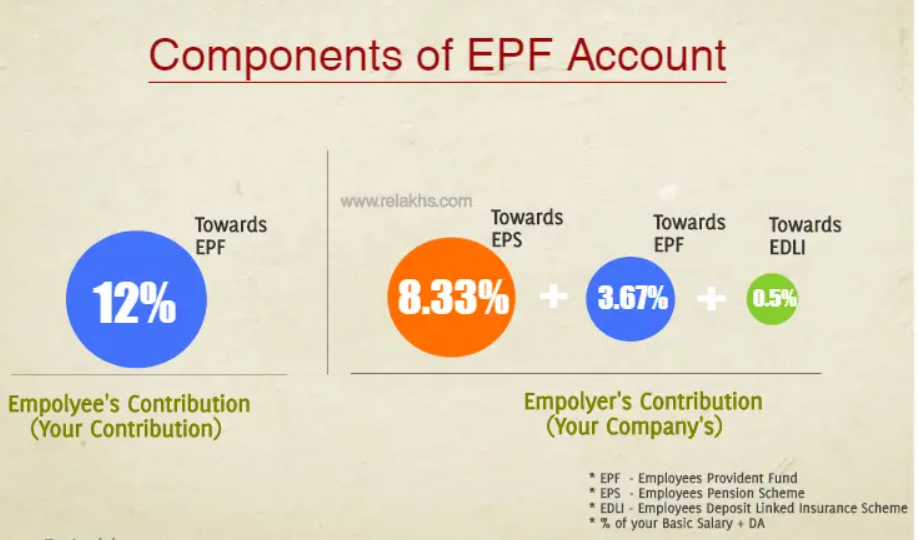
Provident Fund (PF) is a retirement savings scheme that is compulsory for most employees in India. It is a government-managed scheme, and both the employee and employer contribute a fixed percentage of the employee’s salary to the PF account. The money in the PF account is invested by the EPFO (Employee Provident Fund Organisation) and earns a fixed rate of interest.
Here’s how PF works:
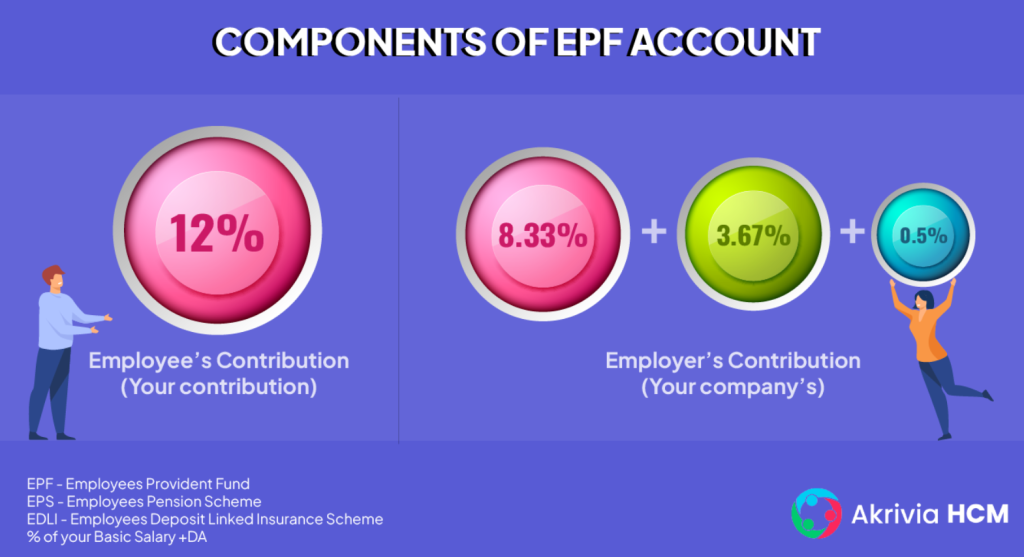
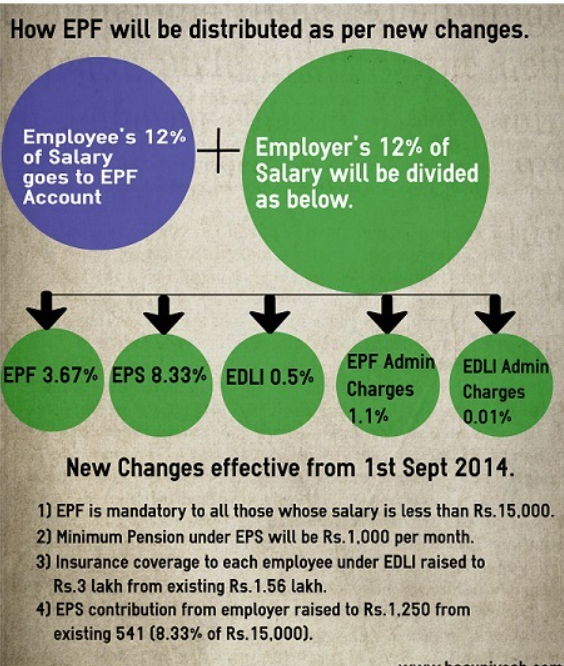
- The employee and employer contribute a fixed percentage of the employee’s salary to the PF account. The contribution rate is 12% of the basic salary for employees working in organizations with 20 or more employees. For employees working in organizations with less than 20 employees, the contribution rate is 10% of the basic salary.
- The money in the PF account is invested by the EPFO in a variety of securities, including government bonds, treasury bills, and corporate bonds.
- The PF account earns a fixed rate of interest, which is set by the government every quarter. The current interest rate for PF is 8.5% per annum.
- The employee can withdraw money from the PF account after retirement, or under certain other circumstances, such as:
- Leaving the job
- Marriage
- Purchase of a house
- Medical emergencies
- The PF account is a tax-saving scheme, and the interest earned on the PF account is also tax-free.
PF is a valuable retirement savings scheme, and it is a good way to save for your future. The money in the PF account is invested by the EPFO and earns a fixed rate of interest, which means that your money will grow over time. You can also withdraw money from the PF account under certain circumstances, which makes it a flexible savings scheme.
Here are some of the benefits of PF:
- It is a compulsory savings scheme, so you don’t have to worry about saving for retirement.
- The money in the PF account is invested by the EPFO and earns a fixed rate of interest, which means that your money will grow over time.
- You can withdraw money from the PF account under certain circumstances, such as retirement, leaving the job, or medical emergencies.
- The PF account is a tax-saving scheme, and the interest earned on the PF account is also tax-free.
If you are an employee in India, you should definitely consider contributing to the PF scheme. It is a valuable retirement savings scheme that can help you secure your financial future.
One practical area employees should understand is how job changes can impact their PF journey. Many employees switch companies multiple times but forget to transfer old PF accounts, update KYC details, or verify contribution records, which can create problems years later when they need to access their retirement savings. Maintaining a single UAN history, regularly checking contribution entries, and reviewing nominee details should become part of personal financial management. PF is not just a monthly salary deduction; it is a long-term asset that requires continuous monitoring throughout a person’s career.