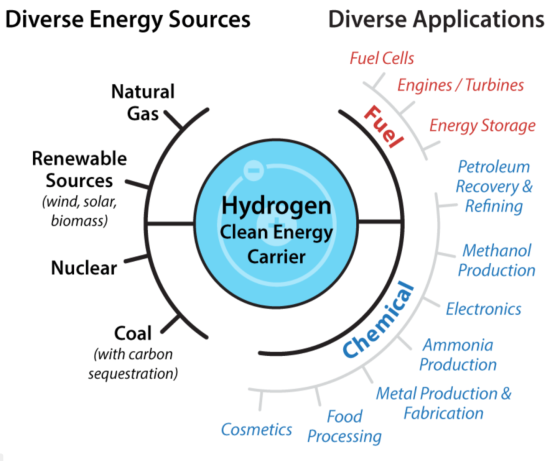
In the future, hydrogen will join electricity as an important energy carrier, since it can be made safely from renewable energy sources and is virtually non-polluting. It will also be used as a fuel for ‘zero-emissions’ vehicles, to heat homes and offices, to produce electricity, and to fuel aircraft.
Hydrogen has huge potential, but one challenge that doesn’t get enough attention is the infrastructure needed to make it practical. Producing clean hydrogen is only part of the journey—storing, transporting, and distributing it safely on a large scale requires significant investment. Looking at these real-world challenges would give readers a more balanced view of how quickly hydrogen can become a mainstream energy source.