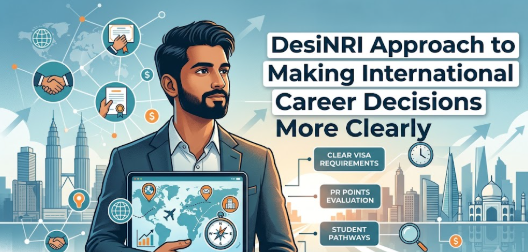
Every year, thousands of Indian professionals, students, and families begin researching pathways to move, work, or study abroad. Gathering immigration information can feel overwhelming because official guidelines are often dense, selection criteria change frequently, and each destination applies entirely different rules. Beyond the legal paperwork, relocating requires adjusting to daily life in an unfamiliar environment. Understanding basic eligibility, keeping paperwork in order, and learning from experienced peers are critical steps before submitting an application. As an informational platform and peer network, DesiNRI offers tools, practical articles, and active community discussions designed to help Indian applicants explore international relocation clearly and responsibly. This guide examines how you can use the resources on DesiNRI to organize your visa planning, evaluate permanent residency options, prepare your documents, and connect with people who have already made the journey.
What Is DesiNRI?
DesiNRI is an informational platform and online community built to connect Non-Resident Indians with their cultural roots while providing practical guidance for people planning an international move. The platform serves two distinct but connected groups: individuals living in India who are exploring study, work, or settlement opportunities overseas, and established expatriates managing everyday life abroad.
Rather than acting as an immigration agency, DesiNRI operates as an educational and community hub. The platform’s architecture focuses on straightforward tools and shared knowledge across several key sections:
- Visa: An informational space where users explore entry permits, general requirements, and baseline expectations across different travel and relocation purposes.
- PR Points Calculator: A dedicated interactive tool that helps prospective immigrants understand how points-based immigration frameworks evaluate criteria like age, education, and language skills.
- Blog: An educational publishing area featuring practical explainers, relocation tips, and structured updates on international movement.
- Forum: An interactive discussion board where members post questions, discuss settlement issues, share personal experiences, and exchange guidance on daily challenges overseas.
- About, Contact, Updates, and Sitemap: Core organizational areas providing transparency about the website’s purpose, navigational structure, and service notices.
By pairing structured planning tools with lived experiences, the platform provides early-stage clarity for anyone exploring relocation or adapting to a new country.
Understanding the Main Resources Available on DesiNRI
Relocating across borders requires both administrative readiness and social adjustment. The core features on DesiNRI address these two sides of moving abroad.
Visa Resources
Understanding global travel categories begins with knowing which pathway matches your profile. DesiNRI organizes visa information to help users explore student, work, visitor, and long-term entry requirements. Reviewing baseline requirements helps applicants avoid common pitfalls early, such as pursuing an entry route that does not grant work authorization or overlooking mandatory financial checks.
PR Points Calculator
Points-tested immigration streams are among the most common pathways used by skilled Indian migrants. DesiNRI features a PR Points Calculator that lets users review their qualifications against common selection metrics. This tool helps applicants understand how personal attributes—such as qualifications, professional background, and English proficiency—contribute to overall scores in points-based immigration programs.
Forum and Community Discussions
Official government websites rarely address the practical, human side of moving abroad. The DesiNRI forum bridges this gap by letting users ask candid questions about settlement, foreign services, and cultural adaptation. From local transport tips to navigating unfamiliar grocery stores and municipal registrations, community-driven exchanges provide authentic context that formal immigration guides leave out.
Visa Requirements for Indians
Every international journey starts with understanding entry criteria. When evaluating visa requirements for Indians, applicants must recognize that there is no universal checklist. Every country sets its own immigration policies, which shift depending on economic demands, bilateral agreements, and travel purpose.
When researching requirements, applicants generally need to account for several universal categories:
- Passport Validity: Most immigration departments require a valid passport with at least six months of remaining validity beyond the planned stay, along with sufficient blank pages.
- Clear Purpose of Travel: Evidence showing genuine intentions, such as an institutional acceptance letter, an employment contract, or an itinerary.
- Financial Sufficiency: Bank statements, sponsorship letters, or scholarship documentation proving you can support yourself without unauthorized work.
- Education and Career Records: Degree certificates, academic transcripts, and verified employment letters.
- Health and Character Clearance: Medical examinations, vaccination records, and police clearance certificates where required by the destination.
- Accurate Application Filings: Duly completed application forms matching all supporting records, submitted within specified application windows.
Because immigration rules vary by destination and visa type, using informational platforms like DesiNRI helps you identify key themes before confirming details on official government portals.
How the PR Points Calculator Can Support Immigration Planning
Many popular immigration destinations—such as Canada, Australia, and New Zealand—use points-tested merit systems to select economic migrants. These systems allocate numerical scores based on characteristics that suggest an applicant can settle successfully and contribute to the local economy.
Points are commonly allocated across several core factors:
- Age: Younger working-age candidates often receive higher baseline points.
- Education: Points scale with verified qualifications, from diplomas and bachelor’s degrees to doctorates, often requiring an official credential assessment.
- Skilled Work Experience: The number of years spent in eligible, skilled occupations, both inside India and abroad.
- Language Competency: Scores from approved testing bodies (such as IELTS or PTE) measuring reading, writing, listening, and speaking proficiency.
- Specific Adaptability Factors: Relevant partner qualifications, regional study, or family connections in the destination country.
The PR Points Calculator on DesiNRI allows users to test hypothetical scores and see how different factors influence their standing. For example, you can see how gaining an additional year of work experience or improving a language band score might lift your overall ranking.
Important Note: A points calculator is strictly an educational tool. Achieving a particular score on an informal calculator does not guarantee an invitation to apply or a visa grant. Selection cutoffs fluctuate based on applicant pools and government quotas, so applicants must confirm their eligibility directly with official immigration authorities.
Permanent Residency for Indians
Securing permanent residency for Indians provides long-term stability abroad, offering the right to live, work, and study indefinitely without employer sponsorship. Because PR status often serves as a pathway toward citizenship, requirements are rigorous.
Prospective immigrants typically explore three main PR streams:
- Points-Tested Economic Streams: Independent migration pathways that evaluate candidates on personal merit without requiring a pre-existing job offer.
- Employer-Sponsored Streams: Routes where an overseas employer sponsors a skilled foreign professional to fill verified local skill shortages.
- Family-Based Streams: Programs allowing permanent residents or citizens to sponsor spouses, dependent children, or parents.
Preparing for permanent residency involves significant lead times. Gathering academic credentials, scheduling language examinations, and securing employment references often takes months before formal submission. Researching these requirements through DesiNRI helps applicants prepare their timelines and paperwork well before starting the official process.
Work Visa for Indians
Pursuing an international career requires an appropriate work visa for Indians. Work permits generally balance domestic labor protections with the need for specialized international talent.
Key factors involved in researching work visas include:
- Securing a Qualified Job Offer: Many temporary and skilled work permits require a formal employment offer from an approved overseas sponsor.
- Labor Market Testing: In many jurisdictions, employers must prove they could not find a local citizen or permanent resident to fill the role before hiring internationally.
- Occupation Eligibility: Countries maintain national skill lists; your profession must usually appear on an eligible shortage list.
- Matching Qualifications and Experience: Immigration departments evaluate whether your degrees and previous work history directly align with the duties of the nominated position.
- Accompanying Dependents: Rules differ on whether your spouse can work or your children can attend local public schools under your specific visa class.
Understanding these parameters prevents costly misunderstandings, especially regarding whether a temporary work permit offers a realistic transition toward permanent settlement.
Jobs Abroad for Indians
Securing employment overseas requires adapting your job search strategy to international hiring standards. Researching jobs abroad for Indians involves understanding both the target industry and the destination country’s legal sponsorship frameworks.
Effective overseas job hunting involves several key practices:
- Targeting Countries with Recognised Skill Shortages: Focus your efforts where your background matches designated shortage occupations.
- Adapting Application Materials: Format your resume to match local standards (such as using EuroPass formats in Europe or removing photos and personal data for North American applications).
- Checking Sponsorship Licenses: Verify whether an employer holds the legal authority to sponsor overseas candidates before investing time in lengthy interview processes.
- Clarifying Employment Rights: Understand minimum wage protections, working hour limits, severance terms, and healthcare coverage.
DesiNRI offers a place to explore general employment concepts and discuss practical workplace transitions with experienced peers.
Student Visa for Indians
International education often serves as an initial step toward building a global career. Obtaining a student visa for Indians requires meeting academic prerequisites alongside strict immigration standards.
Core elements of student visa applications include:
- Unconditional Acceptance: An official letter of admission or confirmation of enrollment from a recognized international university or college.
- Proof of Financial Capacity: Bank statements, sanctioned education loans, or financial guarantees showing you can cover both tuition and living costs without working illegally.
- Academic Progression and Intent: Demonstrating that your chosen course represents logical academic progression and that you intend to abide by visa conditions.
- In-Study Work Limits: Most countries limit international students to part-time hours during academic sessions (often 20 to 24 hours per week) while allowing full-time hours during designated breaks.
- Post-Study Work Permits: Many destinations offer temporary graduate work visas upon course completion, though eligibility depends on the qualification level, study location, and field of study.
Because student visa policies and graduate work rights change periodically, thorough early research is essential.
DesiNRI as an Immigration Guide for Indians
Navigating international moves requires a clear, methodical approach. Serving as a practical immigration guide for Indians, DesiNRI helps users break complex relocation goals down into manageable milestones.
An organized immigration research plan involves:
- Defining Clear Objectives: Clarifying whether you seek a temporary educational exchange, a multi-year employment contract, or permanent family settlement.
- Mapping Appropriate Streams: Identifying visa classes that match your background instead of applying for popular but unsuitable options.
- Reviewing Detailed Criteria: Reading beyond marketing claims to understand minimum language scores, financial thresholds, and processing rules.
- Tracking Government Updates: Monitoring policy changes, quota limits, and processing priority lists directly through official channels.
- Planning for Settlement: Budgeting for practical expenses like temporary accommodation, health insurance, and initial local transport.
By breaking down the research process, the platform helps prospective applicants approach their international plans systematically.
Building a Visa Document Checklist
Incomplete or poorly organized paperwork remains one of the primary causes of visa processing delays and outright refusals. Building a comprehensive visa document checklist helps you stay organized throughout the application journey.
| Immigration Planning Area | What Applicants Should Review | Why It Matters |
| Visa Eligibility | Basic criteria, eligible lists, age ceilings, and pathway restrictions. | Prevents wasted expenditures on categories where you do not meet basic statutory thresholds. |
| Education | Degree certificates, transcripts, and official syllabus translations. | Proves that your academic profile matches national occupational standards. |
| Work Experience | Reference letters on company letterhead, tax records, payslips, and contracts. | Validates your professional background and verifies that your duties align with claimed classifications. |
| Language | Approved language test scores (IELTS, PTE, TOEFL, etc.) and valid testing dates. | Demonstrates your ability to communicate, work, and integrate into the local community. |
| Financial Evidence | Liquid bank balances, education loan sanctions, asset valuations, and tax statements. | Proves you can support yourself and your dependents without relying on unauthorized public funds. |
| Documents | Birth certificates, marriage records, police clearances, and valid passports. | Confirms your identity, marital status, dependent relationships, and criminal history clearance. |
| Sponsorship | Employer nomination notices, university enrollment confirmations, or family affidavits. | Validates the legal basis of your visa application with host-nation institutions. |
| Application Requirements | Specified biometric procedures, certified translations, and health declarations. | Ensures your application package meets all formal administrative filing requirements. |
Keep both digital scans and physical copies of all paperwork organized in labeled folders. Making sure details like your name, date of birth, and parentage match across every single identity document prevents avoidable processing issues.
NRI Community and Discussions for Indians Abroad
Leaving your home country involves more than managing legal processes; it requires adapting to an entirely new social, cultural, and municipal landscape. Engaging with an active NRI community provides practical context that official government platforms cannot offer.
The DesiNRI forum hosts user discussions covering everyday challenges, including:
- Tax Compliance and Filing: Questions regarding Non-Resident Ordinary (NRO) and Non-Resident External (NRE) accounts, double taxation agreements (DTAA), and managing assets in India.
- Municipal Registration: Practical steps for registering your local address with local councils or police stations after arrival.
- Public Transit and Driving: Insights into passing local driving theory tests, converting Indian licenses, and navigating urban transit systems.
- Local Services and Recycling: Everyday norms, from sorting household waste into local recycling categories to setting up domestic utilities.
- Cultural Adjustment: Managing language barriers in non-English speaking environments, adapting to workplace culture, and finding Indian grocery supplies.
These discussions provide real-world insights, helping new arrivals navigate everyday challenges with less stress.
Resources for Indians Living Abroad
Settling into a foreign country takes time. DesiNRI offers practical discussions tailored to Indians living abroad, addressing key areas of daily life:
- Healthcare Systems: Understanding local medical schemes, registering with neighborhood doctors, and navigating prescription medication rules.
- Banking and Currency Exchange: Setting up local bank accounts, handling remittances back to India, and building a domestic credit profile.
- Schooling and Childcare: Reviewing public school enrollment procedures, curriculum transitions for children educated in India, and local childcare subsidies.
- Community Events and Celebrations: Finding local cultural groups, festival gatherings, and regional associations to help your family stay connected to Indian traditions.
Community platforms provide reassurance, shared advice, and practical tips that make settling into a new country much smoother.
How to Research an Immigration Pathway Before Applying
Rushing into an immigration application without structured preparation often leads to unexpected expenses and administrative delays. A careful, phased research process helps you make informed choices:
[Target Destination] ➔ [Visa Pathway] ➔ [Eligibility Review] ➔ [Points Assessment] ➔ [Document Collection] ➔ [Official Verification]
- Clarify Your Objectives: Decide whether you want temporary international exposure or a long-term pathway toward permanent settlement.
- Evaluate All Prerequisites: Examine not just the basic criteria, but also health, character, and financial requirements.
- Audit Your Points Early: If exploring a points-tested scheme, use tools like DesiNRI’s PR Points Calculator to check where your profile stands.
- Calculate Total Relocation Costs: Factor in visa processing fees, medical assessments, language tests, flights, temporary lodging, and initial emergency reserves.
- Cross-Check Against Official Guidelines: Verify your findings against primary government websites to ensure you are working with current policies.
Who Can Benefit From DesiNRI?
The resources on DesiNRI serve a wide range of people across different stages of international relocation:
Professionals Planning to Work Abroad
Working professionals can explore international visa options, review general employment criteria, and learn how to adapt their resumes for overseas markets.
Students Planning International Education
Prospective students can review the fundamentals of student visas, financial requirements, and post-study work opportunities before choosing an international program.
Skilled Workers Exploring Permanent Residency
Experienced candidates can use the PR Points Calculator to understand how points-based immigration works and evaluate their readiness for permanent settlement.
Indians Preparing for Relocation
Individuals with approved visas can use community guides to prepare for departure, pack the right documents, and budget for initial settlement costs.
NRIs Living Abroad
Established expatriates can participate in forum discussions, share advice on tax and local systems, and discuss the day-to-day challenges of living overseas.
Families Planning an International Move
Families can read about schooling systems, dependent visa rules, family healthcare coverage, and neighborhood amenities before making a major move.
Step-by-Step Immigration Research Process for Indians
Approaching immigration research in clear stages makes a complex journey manageable and helps avoid costly mistakes.
| Applicant Goal | Main Area to Research | Important Preparation |
| Work Abroad | Skilled occupation lists, employer sponsorship policies, and labor market testing. | Resume formatting, reference letters, and verified professional licenses. |
| Study Abroad | Institutional recognition, visa financial thresholds, and post-study work limits. | Academic transcripts, language test scores, and educational loan approvals. |
| Permanent Residency | Points cutoffs, age limits, credentials verification, and state nominations. | Comprehensive document archives, credential assessments, and police clearances. |
| Family Relocation | Dependent work entitlements, school zones, and family health cover. | Certified relationship records, child immunization histories, and relocation budgets. |
| NRI Settlement | Local municipal registration, NRE/NRO banking, and bilateral tax rules. | Proof of residence, tax filings, and local health registrations. |
| Community Support | Regional cultural associations, dietary resources, and peer support groups. | Forum participation, local networking, and community orientation. |
Step 1: Choose the Destination
Select a target country based on your industry demand, lifestyle preferences, language familiarity, and long-term immigration frameworks rather than general popularity.
Step 2: Identify the Appropriate Visa or Immigration Pathway
Determine whether you qualify for an independent skilled pathway, need employer sponsorship, or should consider an international study route.
Step 3: Check Your Basic Eligibility
Carefully review baseline statutory requirements, including age limits, minimum education thresholds, and relevant occupational requirements.
Step 4: Review Points or Selection Criteria
If you are exploring a points-tested immigration system, use the PR Points Calculator to evaluate your strengths and identify areas where your profile could improve.
Step 5: Prepare Your Visa Document Checklist
Gather primary records early, including passports, birth certificates, educational degrees, and employment references, ensuring personal details match across all documents.
Step 6: Review Financial, Education, and Employment Requirements
Ensure you can provide accepted proofs of funds, obtain credential assessments for your degrees, and secure formal employment reference letters on company letterheads.
Step 7: Verify Current Rules With Official Immigration Sources
Cross-reference your research against the host country’s official immigration department website to confirm that rules, quotas, or fees have not recently changed.
Step 8: Prepare and Submit the Application Carefully
Complete all application questions accurately, double-check that your supporting files match the requested specifications, pay required fees, and track your application milestones methodically.
Common Immigration Research Mistakes
Many applicants run into difficulties that could have been avoided with better early preparation. Staying aware of these common pitfalls can save you time and money:
- Relying on Outdated Information: Immigration policies shift frequently. Guidance that was accurate a few months ago may no longer reflect current rules.
- Assuming Rules Are Universal: Presuming that the eligibility rules or work rights of one country apply equally to another destination.
- Treating Points Calculators as Final Approvals: Believing an informal calculator score guarantees a visa, without accounting for changing invitation rounds and pool competition.
- Filing Incomplete Applications: Submitting illegible scans, uncertified translations, or missing employment reference details, which often causes major processing delays.
- Confusing Forum Opinions with Official Policy: Relying on personal anecdotes from community forums as legal facts rather than helpful, lived context.
- Underestimating Relocation Expenses: Budgeting only for visa fees while overlooking credential evaluations, biometrics, health exams, flights, and initial living costs.
- Leaving Document Preparation to the Last Minute: Underestimating the weeks or months required to obtain police clearances, university transcripts, or bank letters.
Best Practices for Immigration Planning
Approaching your relocation with care and discipline helps ensure a smoother transition:
- Start Your Research Early: Begin exploring pathways at least 12 to 18 months before your targeted departure date to build your points, take tests, and assemble paperwork.
- Rely on Official Immigration Authorities for Final Rules: Use educational sites like DesiNRI to understand general processes, but always confirm mandatory rules on government portals.
- Maintain an Organized Paperwork System: Store high-resolution digital scans and paper copies of every official certificate, employment letter, and tax document in dedicated folders.
- Verify Requirements for Your Specific Visa Class: Understand your exact visa conditions, including work allowances, study limits, and options for dependents.
- Retain Copies of All Submitted Materials: Always keep a complete archive of every form, declaration, and supporting file you submit to immigration authorities.
- Learn from Community Discussions Without Treating Them as Legal Advice: Use forums to understand everyday realities like housing and transit, while relying on official channels for formal application decisions.
Using Community Information Responsibly
Navigating international relocation involves balancing different types of information. Knowing how to distinguish and use these information sources will keep your planning grounded and realistic:
- Official Immigration Information: Published directly by national immigration departments, embassies, and consulates. These authorities set statutory requirements, evaluate applications, collect official fees, and make final visa decisions.
- Educational Platforms: Informational platforms like DesiNRI help break down complex immigration topics. They offer points calculators, document overviews, and structured articles that make early research much easier to understand.
- Community Experiences: First-hand accounts shared by individuals on forums and discussion boards. While valuable for discovering local services, cultural insights, and moving tips, personal experiences reflect individual circumstances and should never replace formal legal or governmental rules.
Frequently Asked Questions
1. What role does DesiNRI play in immigration research?
DesiNRI is an informational platform and community network that offers visa overviews, points calculators, educational articles, and discussion forums to help Indians research moving and living abroad.
2. How can Indian applicants research visa eligibility effectively?
Applicants should begin by identifying the visa category that matches their travel goals, checking baseline education and financial criteria, and confirming details against official government guidelines.
3. What is the main benefit of using a points calculator?
A points calculator helps you understand how factors like your age, qualifications, professional experience, and language skills are assessed within points-tested immigration systems.
4. Does reaching a points threshold guarantee permanent residency?
No. An informal points assessment is purely an educational tool. Official invitations to apply depend on formal profile verification, overall pool cutoffs, and government quotas.
5. What should Indian professionals check before applying for an overseas work visa?
Professionals should confirm that their occupation appears on eligible skill shortage lists, check whether employer sponsorship is mandatory, and ensure their qualifications match local standards.
6. What core proofs do students need for a study permit?
Students generally require an unconditional letter of acceptance from an approved institution, proof of sufficient funds for tuition and living costs, identity documents, and relevant academic records.
7. Why is keeping an organized document checklist important?
Having a clear checklist ensures you do not overlook critical paperwork—such as police certificates, official transcripts, or financial evidence—which helps prevent processing delays or refusals.
8. How do community forums help people moving abroad?
Community forums allow you to learn from the real-world experiences of other migrants, helping you navigate practical questions about housing, public transit, local banking, and settling into a new culture.
9. What common issues do Indians living abroad discuss on forums?
Expatriates often discuss managing overseas taxes, opening NRE/NRO accounts, transferring driver’s licenses, enrolling children in local schools, and finding Indian groceries.
10. Why must applicants always verify immigration details with official authorities?
Immigration policies, fees, eligible skill lists, and processing criteria change frequently. Always confirm final requirements directly through the official immigration department of your destination country.
Conclusion
Planning a move overseas requires careful preparation, clear information, and an organized approach. Whether you are pursuing international education, looking into skilled employment, exploring permanent residency, or preparing for family settlement, knowing the rules is essential. Breaking down requirements into manageable steps—from evaluating basic eligibility and running early points calculations to gathering documents and learning from experienced peers—makes the relocation process much smoother. Informational platforms like DesiNRI provide the tools, explanatory guides, and community discussions Indian applicants need to research their options with confidence. By combining early self-assessment with reliable community insights and verifying all requirements through official government sources, you can build a realistic, well-planned pathway toward reaching your global goals.