Introduction
Nutrition Tracking Apps help users monitor food intake, calorie consumption, macronutrients, hydration, and overall dietary habits through mobile applications and wearable integrations. These platforms are widely used for weight management, fitness planning, meal tracking, wellness improvement, and performance optimization. Modern nutrition apps now include AI-powered meal recognition, barcode scanning, personalized recommendations, and wellness analytics to simplify daily tracking.
As health awareness and digital wellness adoption continue growing, nutrition tracking apps have become essential tools for individuals seeking better control over diet and lifestyle choices. Many platforms now integrate with fitness trackers, smartwatches, and health ecosystems to provide a more complete wellness experience.
Real-world use cases include:
- Weight loss and calorie management
- Muscle gain and fitness nutrition planning
- Meal and hydration tracking
- Monitoring dietary habits and nutrition goals
- Managing wellness and healthy routines
Key evaluation criteria for buyers include:
- Food database accuracy
- Ease of meal logging
- Barcode scanning quality
- Macro and micronutrient tracking
- Wearable integrations
- AI-powered recommendations
- Reporting and analytics
- Custom meal planning
- Community and coaching features
- Subscription pricing structure
Best for: fitness enthusiasts, wellness-focused users, athletes, nutrition-conscious individuals, health coaches, and users seeking better dietary awareness.
Not ideal for: users needing clinical nutrition software, people unwilling to log meals consistently, or users wanting highly specialized medical dietary systems.
Key Trends in Nutrition Tracking Apps
- AI-powered food recognition is improving meal logging accuracy and speed.
- Wearable integrations are becoming standard for calorie and wellness synchronization.
- Personalized nutrition recommendations are increasingly driven by behavioral analytics.
- Subscription-based wellness ecosystems continue expanding across nutrition platforms.
- Smart barcode scanning and restaurant meal databases are becoming more comprehensive.
- Gamification and habit-building features are improving user retention.
- Mental wellness and mindfulness integrations are appearing alongside nutrition tracking.
- Privacy and health data protection expectations are increasing globally.
- Social community features and accountability groups are becoming more common.
- Hydration, recovery, and sleep tracking integrations are expanding wellness visibility.
How We Selected These Tools
We evaluated nutrition tracking apps based on usability, database quality, ecosystem maturity, feature completeness, and long-term wellness value. The goal was to identify platforms suitable for beginners, athletes, wellness users, and advanced nutrition-focused individuals.
Selection criteria included:
- Market adoption and brand recognition
- Food database depth and accuracy
- Ease of logging meals and snacks
- AI and automation capabilities
- Integration ecosystem maturity
- Reporting and nutritional insights
- Performance and mobile usability
- Security and privacy practices
- Community and coaching support
- Overall value for money
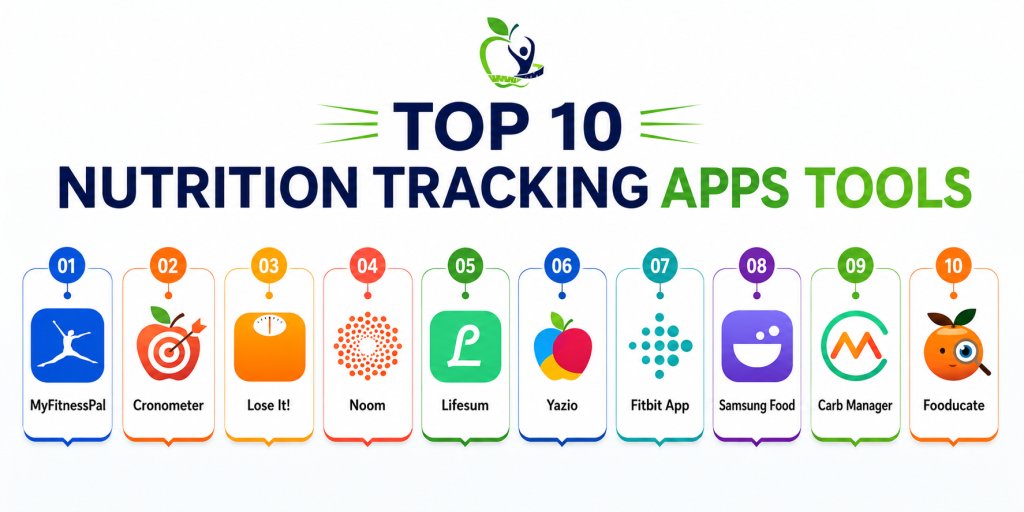
Top 10 Nutrition Tracking Apps Tools
#1 — MyFitnessPal
Short description:
MyFitnessPal is one of the most recognized nutrition tracking platforms globally. It combines calorie tracking, macro monitoring, barcode scanning, and fitness integrations in a beginner-friendly mobile experience. The app is ideal for users focused on weight management and wellness improvement.
Key Features
- Large food database
- Barcode scanning
- Calorie tracking
- Macro and nutrient analysis
- Meal planning support
- Fitness integrations
- Goal-based tracking
Pros
- Massive food database
- Strong fitness ecosystem integrations
- Easy meal logging experience
Cons
- Premium features require subscription
- Ads in free version
- Community features may feel cluttered
Platforms / Deployment
- iOS
- Android
- Web
- Cloud
Security & Compliance
- Encryption practices publicly referenced
- GDPR-related privacy practices
- Additional certifications not publicly stated
Integrations & Ecosystem
MyFitnessPal supports one of the largest nutrition and fitness integration ecosystems.
- Apple Health
- Google Fit
- Fitbit
- Garmin
- Smartwatch integrations
Support & Community
Large global community with strong onboarding resources, nutrition forums, and wellness support content.
#2 — Cronometer
Short description:
Cronometer focuses on highly detailed nutrient tracking and wellness analytics. It is popular among health-conscious users, athletes, and individuals monitoring micronutrients and specialized diets.
Key Features
- Detailed micronutrient tracking
- Macro analysis
- Food quality scoring
- Fasting support
- Custom recipes
- Health data reporting
- Wearable integrations
Pros
- Excellent nutritional accuracy
- Strong reporting capabilities
- Advanced wellness analytics
Cons
- Interface feels technical for beginners
- Premium analytics require subscription
- Smaller community compared to larger competitors
Platforms / Deployment
- iOS
- Android
- Web
- Cloud
Security & Compliance
- Encryption support publicly referenced
- GDPR-related privacy policies
- Additional certifications not publicly stated
Integrations & Ecosystem
Cronometer integrates with health tracking and wearable ecosystems.
- Apple Health
- Garmin
- Fitbit
- Google Fit
- Wellness data synchronization
Support & Community
Strong documentation and educational resources with active nutrition-focused communities.
#3 — Lose It!
Short description:
Lose It! is a user-friendly nutrition and calorie tracking app designed for weight management and habit building. It combines food tracking, goal setting, and wellness analytics in a clean mobile interface.
Key Features
- Calorie tracking
- Barcode scanning
- Meal planning
- Goal management
- Habit tracking
- AI-powered food logging
- Weight monitoring
Pros
- Beginner-friendly interface
- Fast meal logging
- Strong weight management tools
Cons
- Advanced analytics require premium plan
- Smaller micronutrient database
- Limited advanced athlete features
Platforms / Deployment
- iOS
- Android
- Web
- Cloud
Security & Compliance
- GDPR-related privacy support
- Encryption features publicly referenced
- Additional certifications not publicly stated
Integrations & Ecosystem
Lose It! integrates with multiple fitness and wearable ecosystems.
- Apple Health
- Google Fit
- Fitbit
- Smartwatch support
- Wellness tracking integrations
Support & Community
Well-designed onboarding with active wellness communities and practical habit-building content.
#4 — Noom
Short description:
Noom combines nutrition tracking with behavioral coaching and psychology-driven wellness programs. It is ideal for users seeking structured guidance and long-term habit improvement.
Key Features
- Behavioral coaching
- Calorie tracking
- Wellness programs
- Personalized guidance
- Food categorization
- Progress tracking
- Goal management
Pros
- Strong coaching experience
- Excellent habit-building approach
- Beginner-friendly structure
Cons
- Subscription-focused pricing
- Less detailed athlete nutrition tracking
- Limited advanced macro customization
Platforms / Deployment
- iOS
- Android
- Cloud
Security & Compliance
- Privacy protections publicly referenced
- Additional compliance details not publicly stated
Integrations & Ecosystem
Noom focuses more on wellness coaching than extensive technical integrations.
- Apple Health
- Fitbit
- Wellness platforms
- Weight tracking integrations
Support & Community
Strong coaching ecosystem with guided onboarding and educational wellness content.
#5 — Lifesum
Short description:
Lifesum combines nutrition tracking, meal planning, and healthy habit coaching within a visually polished mobile platform. It works well for users wanting guided wellness experiences and healthier eating routines.
Key Features
- Meal planning
- Calorie tracking
- Healthy recipe recommendations
- Macro tracking
- Hydration monitoring
- Wellness scoring
- Habit coaching
Pros
- Attractive mobile interface
- Excellent meal planning features
- Easy onboarding process
Cons
- Premium plan needed for advanced features
- Smaller database than larger competitors
- Limited athlete-specific analytics
Platforms / Deployment
- iOS
- Android
- Web
- Cloud
Security & Compliance
- GDPR-related privacy practices
- Additional certifications not publicly stated
Integrations & Ecosystem
Lifesum integrates with wearable and wellness ecosystems to support daily health tracking.
- Apple Health
- Google Fit
- Fitbit
- Smartwatch integrations
- Wellness synchronization
Support & Community
Strong mobile support experience with guided wellness content and active updates.
#6 — Yazio
Short description:
Yazio is a nutrition tracking and fasting application focused on calorie tracking, healthy recipes, and wellness improvement. It is particularly popular among users interested in intermittent fasting.
Key Features
- Calorie tracking
- Fasting plans
- Healthy recipes
- Meal tracking
- Progress analytics
- Nutrition planning
- Weight management tools
Pros
- Strong fasting support
- Clean user interface
- Beginner-friendly setup
Cons
- Premium features behind subscription
- Smaller integration ecosystem
- Advanced analytics limited compared to competitors
Platforms / Deployment
- iOS
- Android
- Web
- Cloud
Security & Compliance
- Privacy protections publicly referenced
- Additional certifications not publicly stated
Integrations & Ecosystem
Yazio supports integrations with common wellness and fitness ecosystems.
- Apple Health
- Google Fit
- Smartwatch support
- Wellness synchronization
Support & Community
Strong onboarding experience with active wellness-focused user communities.
#7 — Fitbit App
Short description:
The Fitbit App combines fitness tracking, nutrition monitoring, wellness analytics, and activity tracking in a unified ecosystem. It is suitable for users already invested in Fitbit wearables.
Key Features
- Food logging
- Calorie tracking
- Wellness analytics
- Activity monitoring
- Sleep tracking
- Hydration tracking
- Goal management
Pros
- Strong wearable ecosystem
- Unified health dashboard
- Easy-to-understand analytics
Cons
- Best experience requires Fitbit devices
- Premium subscription limitations
- Less advanced nutrition analytics
Platforms / Deployment
- iOS
- Android
- Web
- Cloud
Security & Compliance
- Google ecosystem security controls
- GDPR support
- Additional certifications not publicly stated
Integrations & Ecosystem
Fitbit integrates deeply with wellness and fitness ecosystems.
- Google Health Connect
- Apple Health
- Smartwatch integrations
- Fitness platforms
- Wellness APIs
Support & Community
Large global community with mature wellness support resources and documentation.
#8 — Samsung Food
Short description:
Samsung Food combines nutrition tracking, meal planning, recipe management, and smart kitchen experiences. It is useful for users wanting meal-focused wellness and healthy eating support.
Key Features
- Recipe tracking
- Meal planning
- Nutrition analysis
- Shopping list management
- Smart kitchen support
- Personalized recommendations
- Wellness tracking
Pros
- Strong recipe management
- Useful smart kitchen integrations
- Easy meal organization
Cons
- Smaller fitness ecosystem
- Limited advanced macro analytics
- Best experience within Samsung ecosystem
Platforms / Deployment
- Android
- iOS
- Web
- Cloud
Security & Compliance
- Samsung ecosystem privacy controls
- Additional certifications not publicly stated
Integrations & Ecosystem
Samsung Food focuses heavily on meal planning and smart device ecosystems.
- Samsung ecosystem integrations
- Recipe synchronization
- Smart kitchen devices
- Wellness tracking platforms
Support & Community
Growing wellness community with recipe-focused user engagement and regular updates.
#9 — Carb Manager
Short description:
Carb Manager specializes in low-carb, keto, and specialized diet tracking. It is widely used by users following ketogenic and carb-conscious nutrition plans.
Key Features
- Keto diet tracking
- Carb counting
- Macro analysis
- Fasting support
- Meal planning
- Recipe recommendations
- Weight tracking
Pros
- Excellent keto-focused features
- Strong macro tracking
- Specialized diet support
Cons
- Less suitable for general users
- Premium features require subscription
- Interface can feel niche-focused
Platforms / Deployment
- iOS
- Android
- Web
- Cloud
Security & Compliance
- Encryption features publicly referenced
- Additional compliance details not publicly stated
Integrations & Ecosystem
Carb Manager integrates with wellness and fitness ecosystems supporting specialized diets.
- Apple Health
- Fitbit
- Google Fit
- Smartwatch integrations
- Wellness synchronization
Support & Community
Strong keto-focused user community with recipe libraries and nutrition education resources.
#10 — Fooducate
Short description:
Fooducate combines calorie tracking with food quality analysis and nutrition education. It is ideal for users wanting healthier eating habits and ingredient awareness rather than only calorie counting.
Key Features
- Food quality grading
- Calorie tracking
- Ingredient analysis
- Healthy alternatives
- Wellness education
- Meal logging
- Goal tracking
Pros
- Strong nutrition education features
- Helpful food quality insights
- Beginner-friendly design
Cons
- Smaller food database
- Limited athlete-focused analytics
- Some advanced features require subscription
Platforms / Deployment
- iOS
- Android
- Cloud
Security & Compliance
- Privacy protections publicly referenced
- Additional certifications not publicly stated
Integrations & Ecosystem
Fooducate focuses more on nutrition education and wellness tracking integrations.
- Apple Health
- Wellness tracking support
- Fitness integrations
- Health synchronization
Support & Community
Helpful onboarding experience with wellness-focused educational content and community discussions.
Comparison Table
| Tool Name | Best For | Platforms Supported | Deployment | Standout Feature | Public Rating |
|---|---|---|---|---|---|
| MyFitnessPal | General nutrition tracking | iOS, Android, Web | Cloud | Massive food database | N/A |
| Cronometer | Detailed nutrient tracking | iOS, Android, Web | Cloud | Micronutrient analysis | N/A |
| Lose It! | Weight management | iOS, Android, Web | Cloud | Fast meal logging | N/A |
| Noom | Behavioral wellness coaching | iOS, Android | Cloud | Psychology-based coaching | N/A |
| Lifesum | Guided meal planning | iOS, Android, Web | Cloud | Wellness-focused meal plans | N/A |
| Yazio | Intermittent fasting users | iOS, Android, Web | Cloud | Fasting support | N/A |
| Fitbit App | Fitbit ecosystem users | iOS, Android, Web | Cloud | Unified wellness tracking | N/A |
| Samsung Food | Smart meal planning | Android, iOS, Web | Cloud | Recipe management | N/A |
| Carb Manager | Keto and low-carb diets | iOS, Android, Web | Cloud | Keto tracking tools | N/A |
| Fooducate | Nutrition education | iOS, Android | Cloud | Food quality scoring | N/A |
Evaluation & Scoring of Nutrition Tracking Apps
| Tool Name | Core 25% | Ease 15% | Integrations 15% | Security 10% | Performance 10% | Support 10% | Value 15% | Weighted Total |
|---|---|---|---|---|---|---|---|---|
| MyFitnessPal | 9 | 9 | 9 | 7.5 | 8.5 | 8.5 | 8 | 8.5 |
| Cronometer | 9 | 7.5 | 8 | 7.5 | 8.5 | 8 | 8 | 8.2 |
| Lose It! | 8.5 | 9 | 7.5 | 7 | 8 | 8 | 8.5 | 8.2 |
| Noom | 8 | 8.5 | 7 | 7 | 8 | 8.5 | 7 | 7.8 |
| Lifesum | 8 | 8.5 | 7.5 | 7 | 8 | 8 | 8 | 8.0 |
| Yazio | 7.5 | 8.5 | 7 | 7 | 8 | 7.5 | 8 | 7.7 |
| Fitbit App | 8.5 | 8.5 | 8.5 | 8 | 8.5 | 8 | 8 | 8.3 |
| Samsung Food | 7.5 | 8 | 7 | 7 | 8 | 7.5 | 8 | 7.6 |
| Carb Manager | 8.5 | 8 | 7.5 | 7 | 8 | 8 | 8 | 8.0 |
| Fooducate | 7.5 | 8.5 | 7 | 7 | 7.5 | 7.5 | 8 | 7.6 |
These scores are comparative and intended to help buyers understand the strengths of each platform across multiple categories. Higher scores generally indicate stronger feature depth and ecosystem maturity, but the ideal tool still depends on user goals and dietary preferences. Some applications prioritize simplicity and wellness coaching, while others focus on advanced macro and nutrient analytics. Buyers should evaluate both long-term usability and ecosystem compatibility before choosing a platform.
Which Nutrition Tracking Apps Tool Is Right for You?
Solo / Freelancer
Solo users often benefit from easy-to-use applications such as MyFitnessPal, Lose It!, or Lifesum. These tools provide fast onboarding, practical meal tracking, and balanced wellness support.
SMB
Small wellness programs and health-focused teams may prefer Noom, Fitbit App, or Lifesum because they support wellness coaching, habit-building, and broader health engagement.
Mid-Market
Fitness-oriented wellness groups and advanced users often benefit from Cronometer or Carb Manager due to stronger nutrient analytics and specialized diet tracking.
Enterprise
Large organizations focusing on employee wellness initiatives may prioritize mature ecosystems such as Fitbit App or MyFitnessPal because of broader adoption and integration capabilities.
Budget vs Premium
Budget-conscious users may prefer Samsung Food or Fooducate because they provide useful nutrition insights without heavy subscription dependence. Premium users may prefer Noom or Cronometer for advanced analytics and coaching.
Feature Depth vs Ease of Use
Cronometer and Carb Manager provide deeper nutritional analysis, while Lose It! and Lifesum focus more on simplicity and beginner-friendly experiences.
Integrations & Scalability
Users deeply invested in wearable ecosystems may benefit more from Fitbit App or MyFitnessPal because of broader compatibility with health and fitness platforms.
Security & Compliance Needs
Users concerned about health data privacy should carefully evaluate how nutrition and wellness information is stored, synchronized, and shared across connected ecosystems.
Frequently Asked Questions
1. Are nutrition tracking apps accurate?
Most modern nutrition tracking apps provide reasonably accurate calorie and nutrient estimates. However, accuracy depends on food database quality, serving size selection, and consistent meal logging.
2. Do nutrition tracking apps help with weight loss?
Yes. Many users successfully use these applications to monitor calorie intake, improve eating habits, and maintain healthier lifestyles through better awareness and consistency.
3. Which nutrition tracking app is best for beginners?
MyFitnessPal, Lose It!, and Lifesum are commonly recommended for beginners because they combine easy onboarding with simple food tracking and wellness guidance.
4. Are these apps useful for athletes?
Yes. Platforms like Cronometer and Carb Manager are especially useful for athletes and advanced fitness users because they provide detailed macro and micronutrient analysis.
5. Do nutrition tracking apps require subscriptions?
Many apps use freemium models where basic functionality is free while advanced analytics, coaching, and premium features require subscriptions.
6. Can nutrition tracking apps improve wellness?
Nutrition tracking can improve awareness around eating habits, hydration, and nutrient balance. Many users develop healthier routines and long-term wellness habits through consistent tracking.
7. Why are integrations important in nutrition tracking apps?
Integrations allow nutrition data to connect with fitness trackers, sleep apps, smartwatches, and wellness platforms for a more complete health overview.
8. Are nutrition tracking apps secure?
Most leading vendors provide encrypted data transfer and account security protections. However, enterprise-grade compliance transparency varies between providers.
9. What mistakes do users commonly make when using nutrition apps?
Common mistakes include inconsistent logging, incorrect portion estimation, focusing only on calories, and ignoring long-term nutrition quality and sustainability.
10. How should I choose the right nutrition tracking app?
Start by identifying your primary goal such as weight loss, muscle gain, wellness improvement, or specialized diets. Then evaluate integrations, usability, reporting depth, and subscription costs before choosing a platform.
Conclusion
Nutrition tracking apps have evolved into comprehensive wellness platforms that combine AI-powered food recognition, meal planning, wearable integrations, behavioral coaching, and long-term health analytics. Casual users may prefer beginner-friendly platforms such as MyFitnessPal, Lose It!, or Lifesum, while advanced users and athletes often benefit more from detailed nutrition tools like Cronometer or Carb Manager. The best choice depends on personal goals, dietary preferences, wearable ecosystem compatibility, and the level of nutritional detail required. Buyers should also evaluate subscription costs, reporting quality, integration flexibility, and long-term usability before selecting a platform. Rather than searching for a universal winner, shortlist two or three tools that align with your lifestyle, test them consistently for several weeks, and validate whether they genuinely improve eating habits, wellness awareness, and long-term health outcomes.